
Blog

Getting Ready for Your In-Home EEG: What to Expect Before Your Test
If your neurologist or physician has ordered an in-home EEG, you probably have questions. You might be wondering what to wear, if you can shower, whether you can work, or what to do if you have symptoms during the test.
Why a Routine EEG Isn't Always Enough: When Extended In-Home Monitoring Provides Answers
For many patients, symptoms occur infrequently or only under specific conditions, making them hard to capture during a brief appointment. That's where prolonged in-home EEG monitoring can make a meaningful difference.

How to Recognize Silent (Non-Motor) Seizures: Early Warning Signs People Often Miss
Most people imagine seizures as dramatic convulsions or losing consciousness, but not all seizures present that way.
Some seizures occur without shaking or falling. These "silent" or non-motor seizures can be so subtle that they are often mistaken for daydreaming, distraction, anxiety, or forgetfulness.
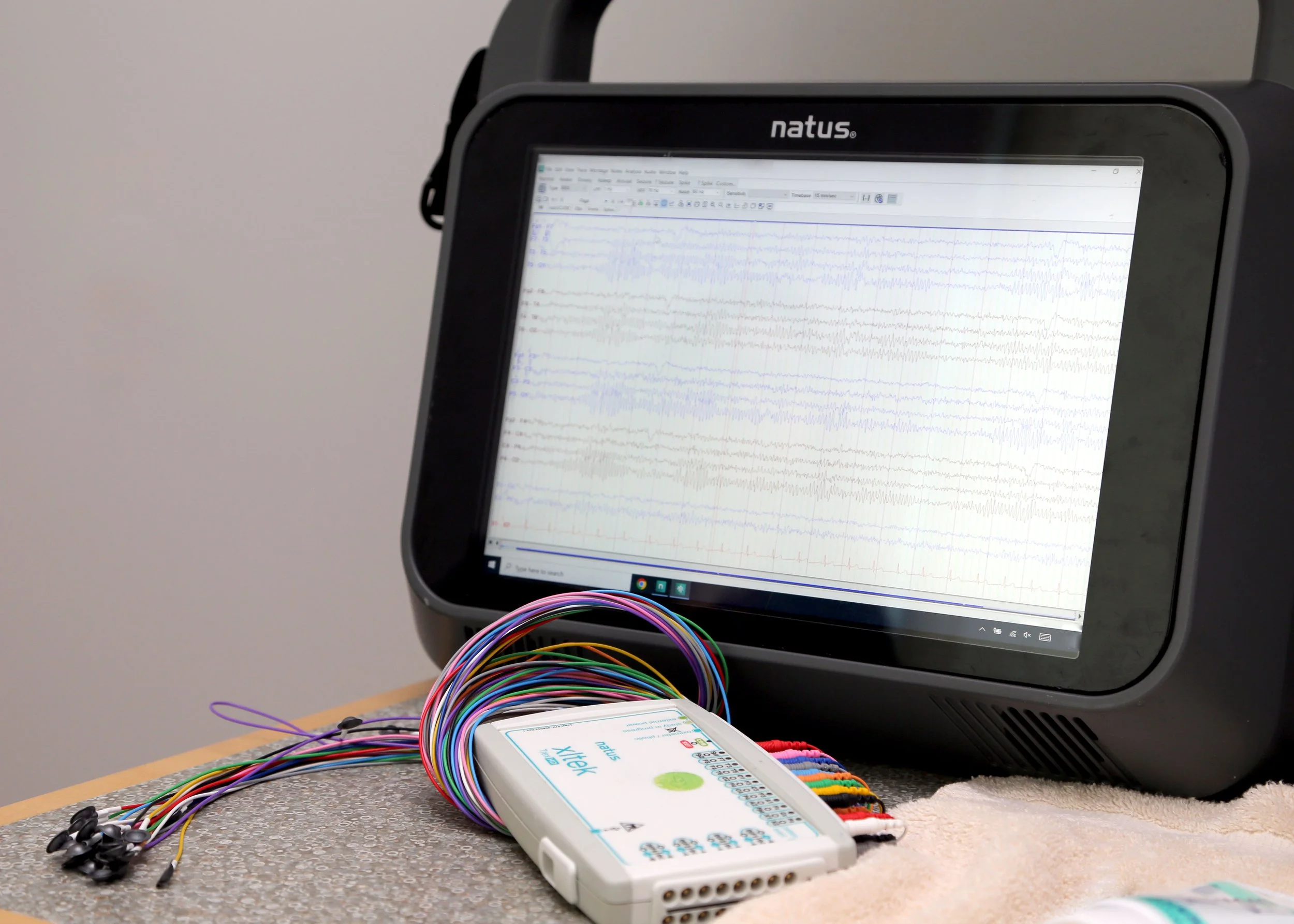
What Is an Ambulatory EEG? A Neurologist Explains At-Home Brain Monitoring
If your doctor has suggested an ambulatory EEG, you might be curious about what the test entails and how at-home brain activity monitoring can offer valuable insights.

Sleep, Stress, and Seizures in Women: How Lifestyle Factors Impact Seizure Control
Many women with epilepsy find that their seizures are affected by more than just medication. Factors such as stress, sleep habits, hormones, and daily routines can all play a role in seizure control.
Understanding these lifestyle factors can empower women to manage epilepsy more effectively and promote overall health.

What Causes Seizures? Understanding Triggers, Brain Activity, and Risk Factors
Seizures happen when the brain’s usual electrical activity is suddenly disrupted. The brain uses organized electrical signals to manage movement, awareness, sensation, and behavior. If these signals become abnormal or out of sync.

Epilepsy, Stress, and Anxiety in Women: Why Mental Health Symptoms Are More Common
Women with epilepsy often notice changes in stress, anxiety, and mood along with their neurological symptoms. This shows how closely the brain systems for seizures, emotions, and stress are linked.

New Semester, New Symptoms? When College Students Should Pay Attention to Neurological Changes
Returning to campus after winter break offers a fresh start—new classes, different schedules, late nights, and increased stress. While most students adapt easily, some notice new or worsening symptoms once the semester begins.

Epilepsy in Women: How Symptoms, Triggers, and Treatment Can Differ
Epilepsy affects people of all genders, but for women, seizures can be influenced by unique biological and hormonal factors that require special attention. Recognizing how epilepsy manifests differently in women and how treatment may need to be customized can significantly improve symptom management, quality of life, and long-term health.

Cycle-Related Seizures in Women: What Women Should Know About Hormonal Triggers
Many women notice that their seizures tend to follow a pattern—becoming more frequent or severe at certain points in their menstrual cycle. This condition is called catamenial epilepsy, a type of epilepsy where hormonal changes influence seizure activity. Recognizing this link is a crucial step toward better management and a higher quality of life.

Seizure First Aid: What to Do (and Not Do) When Someone Has a Seizure
Seizures can be scary to watch, but most aren't urgent medical emergencies. With the right knowledge, anyone can provide calm, effective help until the person recovers. This guide explains simple seizure first aid steps—and clears up some common misconceptions. No two seizures are exactly the same. Understanding the possibilities helps you respond quickly and safely.