
What Is an Ambulatory EEG? A Neurologist Explains At-Home Brain Monitoring
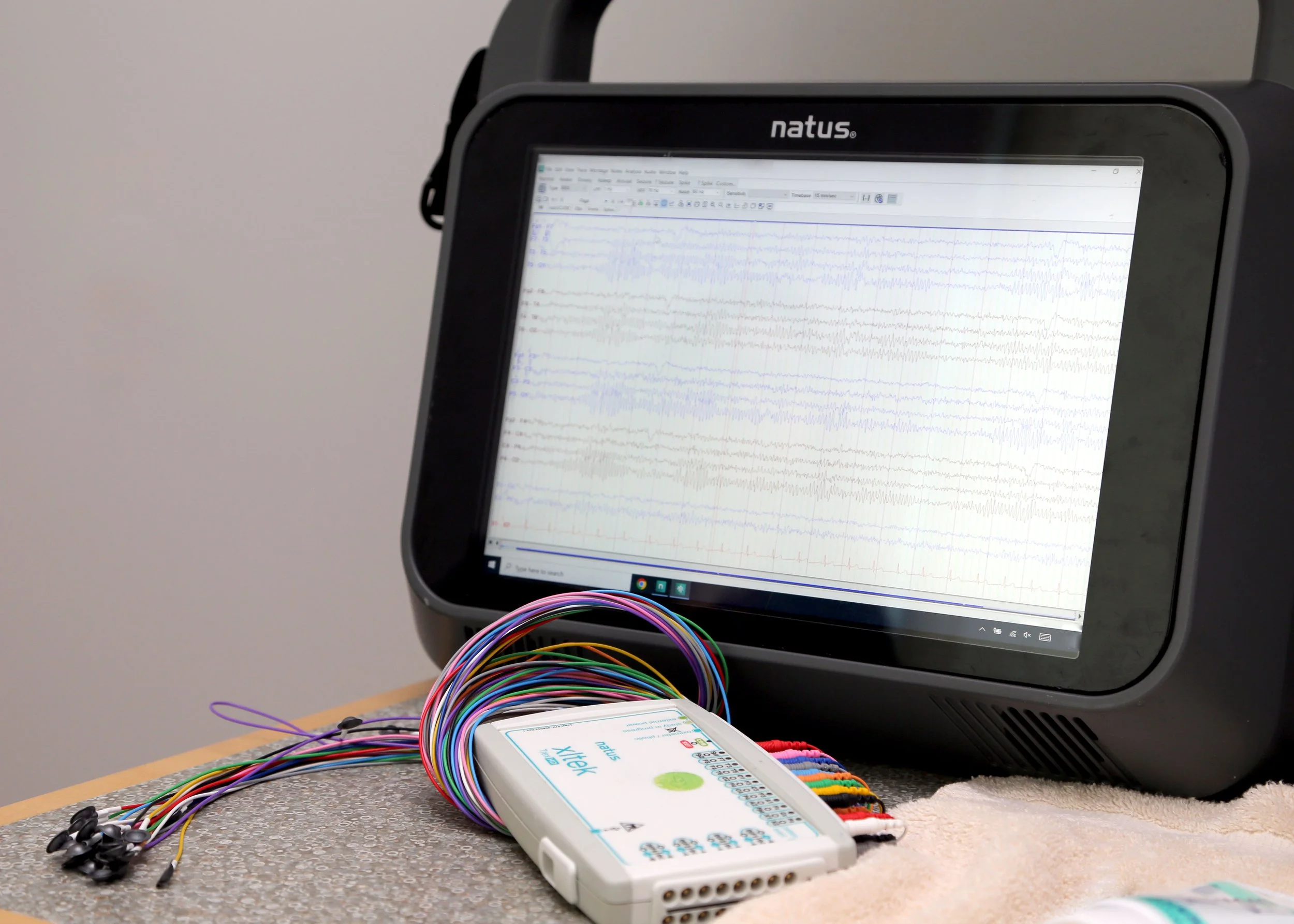
If your doctor has suggested an ambulatory EEG, you might be curious about what the test entails and how at-home brain activity monitoring can offer valuable insights.
An ambulatory EEG is a type of brain monitoring that enables patients to maintain most of their regular daily routines while their brain activity is continuously recorded over an extended time. Unlike a standard EEG done in a clinic or hospital, ambulatory EEG can monitor brain activity for several days, offering a more comprehensive view of what occurs between medical visits.
What Is an Ambulatory EEG?
An ambulatory electroencephalogram (EEG) captures the brain’s electrical signals via small scalp electrodes connected to a portable device worn by patients at home.
Because monitoring occurs during everyday activities, sleep, and normal routines, neurologists can often capture events that may not occur during a brief office visit.
Ambulatory EEG testing is commonly used to evaluate:
Suspected seizures
Epilepsy diagnosis
Episodes of loss of consciousness
Staring spells
Unexplained episodes of confusion
Seizure treatment effectiveness
How Is an Ambulatory EEG Different from a Routine EEG?
While a routine EEG provides valuable information during a brief 20- to 60-minute office visit, an ambulatory EEG offers a more comprehensive view of brain activity by monitoring patients continuously for 24 to 72 hours or longer at home. This extended recording period captures normal daily activities, overnight sleep, and symptoms that may occur outside the medical office. Because seizures often occur unpredictably or during sleep, longer monitoring significantly increases the likelihood of recording abnormal brain activity and identifying the cause of a patient’s symptoms.
Why Does Longer Monitoring Matter?
Seizures and abnormal brain activity do not always happen on demand. A patient may experience symptoms only once every few days or only during sleep.
Extended monitoring increases the likelihood of capturing:
Seizure activity
Changes during sleep
Episodes of dizziness or confusion
Abnormal electrical activity between seizures
Events triggered by stress, fatigue, or daily activities
This additional information helps neurologists make more accurate diagnoses and develop personalized treatment plans.
What Can Patients Expect?
Our ambulatory EEG studies begin in the office, where a technologist attaches small electrodes to the scalp. These electrodes connect to a portable recorder that patients wear on a belt or shoulder strap.
During the study, patients are usually asked to:
Keep a diary of symptoms or events
Continue normal daily activities when possible
Follow instructions regarding bathing and hair washing
Press an event button if symptoms occur
Maintain regular sleep schedules unless instructed otherwise
Many patients find this testing process surprisingly manageable. Because the monitoring occurs at home rather than in a hospital, patients can sleep in their own beds, spend time with family, and maintain much of their usual routine. Although there may be minor adjustments to daily activities, most people adapt quickly to wearing the equipment and appreciate the comfort and convenience of being monitored in a familiar environment.
Is an At-Home EEG Right for You?
If you have experienced unexplained episodes, suspected seizures, or ongoing symptoms that have been difficult to diagnose, an ambulatory EEG may provide answers that a routine EEG cannot.
By allowing neurologists to observe brain activity over several days in a real-world setting, home seizure monitoring has become an important tool for diagnosing epilepsy and guiding treatment decisions.
If your doctor recommends home EEG monitoring, understanding the process can help you feel more comfortable and confident throughout the testing experience.
For additional information about ambulatory EEG testing, the Epilepsy Foundation’s guide to ambulatory EEGs is an excellent educational resource for patients and families.
If you are experiencing seizures, unexplained episodes, or have been referred for extended EEG monitoring, contact NeuroLogic at 401-526-0100 to schedule an appointment.
