
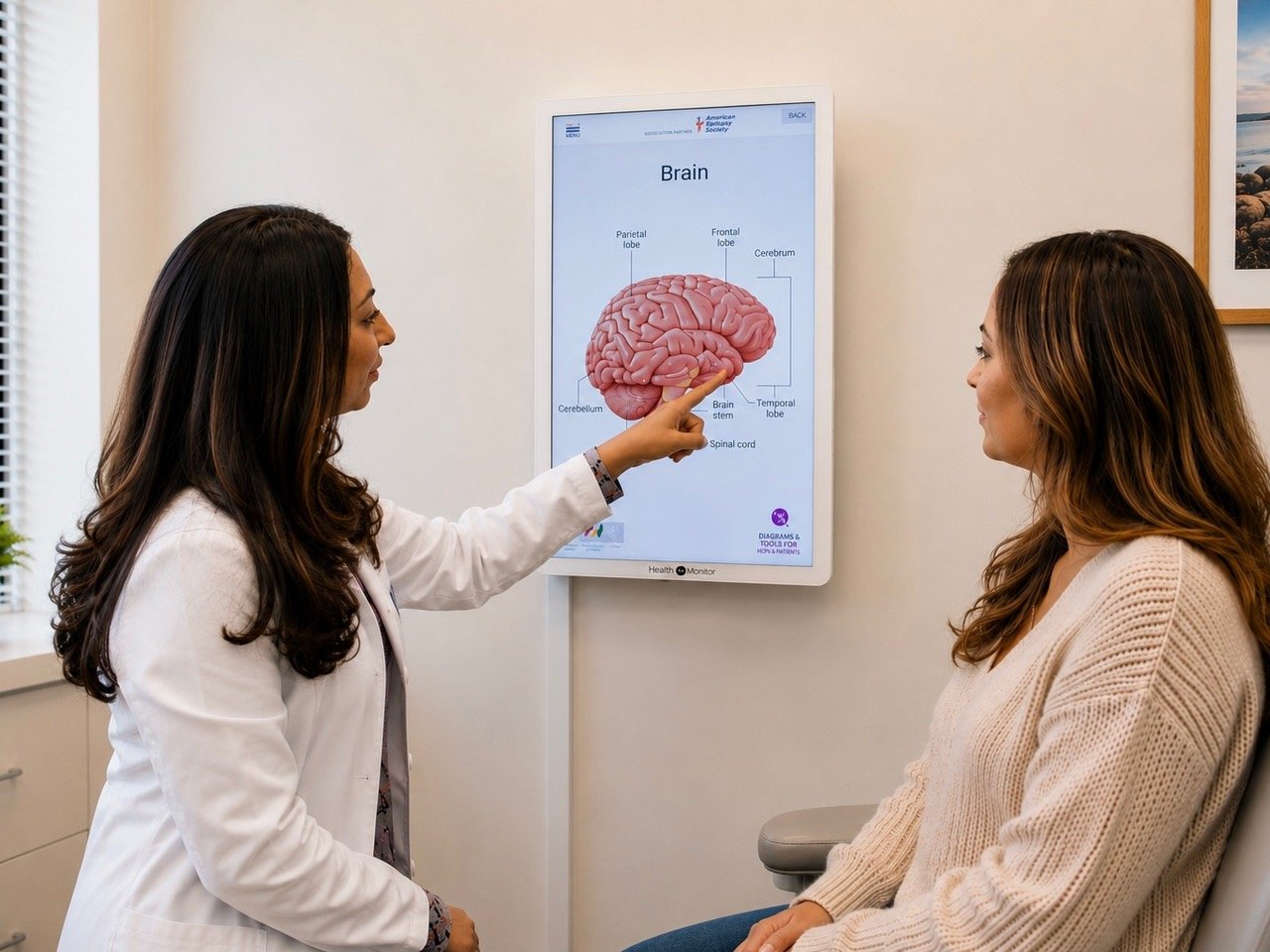
Having a seizure or symptoms that seem like seizures can feel scary and confusing.
Many people wonder, "How do doctors know if I have epilepsy?"
The answer isn't based on a single test. Diagnosing epilepsy involves carefully putting together several pieces of information, including your medical history, neurological examination, brain imaging, and EEG testing.
At NeuroLogic Center for Epilepsy, we work to find the cause of your symptoms so you get the right treatment.
Step 1: Your Medical History
Your personal story is often the most important tool for diagnosis.
Your neurologist will ask questions such as:
What happened before the event?
Did anyone witness it?
How long did it last?
What did you remember afterward?
Have you had previous episodes?
Is there a family history of epilepsy?
Have you experienced head injuries, stroke, infections, or developmental disorders?
If someone saw what happened, their description can be very helpful for diagnosis.
Step 2: Neurological Examination
A neurological exam checks how well your nervous system is working.
Your physician may assess:
Muscle strength
Balance
Coordination
Reflexes
Vision
Speech
Memory
Sensation
Many people with epilepsy have normal results on this exam, but sometimes unusual findings can point to another neurological problem.
Step 3: EEG Testing
An electroencephalogram (EEG) records the electrical activity in your brain and is one of the most important tools neurologists use to diagnose epilepsy and other seizure disorders. An EEG can detect abnormal brain activity that may indicate an increased risk for seizures, even if you are not having one during the test.
Depending on your symptoms, your neurologist may recommend one of several types of EEG testing, including:
A routine EEG
Sleep-deprived EEG
In-Home Video (Ambulatory) EEG
Video EEG monitoring
Because seizures don't always happen during a short office visit, a routine EEG lasting 20 to 40 minutes may not capture the information your physician needs. If your symptoms occur only occasionally, an In-Home Video (Ambulatory) EEG allows your brain activity to be recorded continuously for up to three days while you go about your normal daily routine at home. This extended monitoring increases the likelihood of capturing seizures or abnormal brain activity, helping your neurologist make a more accurate diagnosis and develop the most appropriate treatment plan.
Step 4: Brain Imaging
Many patients also undergo imaging studies such as an MRI.
An MRI can help find physical causes of seizures, such as:
Prior stroke
Brain injury
Tumors
Cortical malformations
Scar tissue
Imaging tests and EEGs often work together to help doctors understand your seizures.
Step 5: Laboratory Testing
Depending on your case, your doctor may order blood tests to check for things that can cause seizures, such as:
Electrolyte abnormalities
Blood sugar changes
Infection
Medication levels
Other metabolic disorders
These tests help show if something else, not epilepsy, caused your symptoms.
Clinical Criteria for Epilepsy
According to the International League Against Epilepsy (ILAE), epilepsy may be diagnosed when a person has:
Two or more unprovoked seizures occurring more than 24 hours apart, or
One unprovoked seizure with a high likelihood of future seizures, or
A diagnosis of an epilepsy syndrome based on clinical evaluation.
Your neurologist looks at your history, exam results, EEG, imaging, and other tests to see if you meet these criteria.
Why an Accurate Diagnosis Matters
Not everything that looks like a seizure is actually epilepsy.
Conditions that can mimic seizures include:
Fainting (syncope)
Migraines
Sleep disorders
Panic attacks
Movement disorders
Psychogenic nonepileptic seizures (PNES)
Getting the right diagnosis helps you get the right treatment and avoid taking medicines you do not need.
Expert Care Makes a Difference
Diagnosing epilepsy often requires specialized training and experience.
At NeuroLogic Center for Epilepsy, Dr. Preeti Gupta, MD, an Epilepsy Specialist, reviews EEG studies alongside an experienced EEG team to provide accurate diagnoses and individualized treatment recommendations.
If you need a neurological checkup, a regular EEG, or a longer in-home EEG, our team is ready to help you get answers. Call us at 401-526-0100 to learn more or ask your doctor for a referral.
